Contents · 6 sections · 5 min
Kabīr in Five Ideas
the essentialsGod within
“The musk is in the deer’s own navel, yet it searches the forest for the scent” — God is in you, not in temple or mosque.
Neither Hindu nor Muslim
Kabīr ridiculed the rituals of both — idols, pilgrimages, the sacred thread, circumcision, the call to prayer.
The formless one
God is nirguṇa — beyond all qualities — and is reached by love and the name, through a true guru.
The love of two and a half letters
“Reading books the world died, and no one became learned; one who reads the two and a half letters of ‘love’ (prema) becomes wise.”
Death is near
Life is a bubble; the body a pot of clay; the market of the world closes at dusk.
Kabīr (c. 1440–1518, by the most common dating; some place him earlier) was a weaver of Vārāṇasī and one of the greatest poets and religious thinkers of India. Born into a family of Muslim weavers (julāhās) of low status, he became the foremost voice of the nirguṇa strand of the The Bhakti Movement movement — devotion to a formless God beyond all qualities, found not in temples or mosques but within one’s own heart, through love, the name of God and the guidance of a true guru. He attacked the rituals, scriptures, priests and caste pride of Hindus and Muslims alike with ferocious wit, in the language of the common people: a mixture of Hindi dialects, Bhojpuri, Avadhī and Braj. His couplets (dohās or sākhīs), songs (padas) and riddling verses (ramainīs) were transmitted orally and are now among the most quoted lines in Hindi; generations of Indian schoolchildren learn them by heart. His followers form the Kabīr Panth; his hymns are part of the Sikh scripture; and he has been claimed by Hindus, Muslims, Sikhs, reformers, Dalits and secular nationalists alike.
Life
Almost everything about Kabīr’s life is legend. He is said to have been found as a baby floating on a lotus in the Lahartara pond near Vārāṇasī by a Muslim weaver couple, Nīrū and Nīmā, who raised him — a story that conveniently gives him an unknown, perhaps Brahmin, birth. He worked as a weaver all his life; his poems are full of images of the loom, the thread, the shuttle. He is said to have married a woman called Loī and had a son, Kamāl, and a daughter, Kamālī.
His guru, by tradition, was the Vaiṣṇava teacher Rāmānanda, who taught devotion to Rāma to people of all castes. A famous story says that Rāmānanda would not accept a Muslim disciple, so Kabīr lay on the steps of the ghāṭ where Rāmānanda bathed before dawn; Rāmānanda stepped on him in the dark and exclaimed “Rām! Rām!” — and Kabīr took this as his initiation mantra. Whatever the truth, Kabīr’s “Rām” is not the prince of the Rāmāyaṇa but a name for the formless God.
He was persecuted by both Hindu and Muslim authorities; legends say that the Sultan Sikandar Lodī tried to kill him by drowning, burning and an elephant, and failed. At the end of his life he went to Maghar, a town said to send those who died there to rebirth as donkeys — deliberately, to mock the belief that dying in holy Kāśī (Vārāṇasī) brings liberation: “If Kabīr dies in Kāśī, what does he owe to Rām?” When he died, his Hindu and Muslim followers quarrelled over his body; lifting the sheet, they found only a heap of flowers, which they divided.
Teaching
God within
Kabīr’s God is everywhere and especially within:
मोको कहाँ ढूँढे बन्दे, मैं तो तेरे पास में। ना मैं देवल ना मैं मस्जिद, ना काबे कैलास में॥ Where are you searching for me, friend? I am right beside you. Not in the temple, not in the mosque, not in the Kaaba, not on Kailāsa.
कस्तूरी कुंडल बसे, मृग ढूँढे बन माहि। ऐसे घटि घटि राम हैं, दुनिया देखे नाहिं॥ The musk is in the deer’s own navel, but it roams the forest looking for it. So Rām is in every heart, but the world does not see.
Against ritual and sectarianism
He mocked Hindu and Muslim religion with equal severity:
पाहन पूजे हरि मिले, तो मैं पूजूँ पहार। ताते तो चाकी भली, पीस खाय संसार॥ If you could find God by worshipping stones, I’d worship a mountain. Better the grinding-stone at home — at least the world eats the flour it grinds.
कांकर पाथर जोरि के, मसजिद लई बनाय। ता चढ़ि मुल्ला बांग दे, क्या बहरा हुआ खुदाय॥ Piling up pebbles and stones, they built a mosque; the mullah climbs it and shouts the call to prayer — has God gone deaf?
He ridiculed pilgrimage, fasting, the sacred thread, circumcision, ritual bathing, idol-worship, and the pride of pandits and qazis in their learning. “The Hindu says Rām is the beloved, the Turk says Rahīm; the two fought each other to death, and neither knew the secret.”
Love and the name
What leads to God is not learning but love (prem) and the repetition of God’s name:
पोथी पढ़ि पढ़ि जग मुआ, पंडित भया न कोय। ढाई आखर प्रेम का, पढ़े सो पंडित होय॥ Reading books, the world died, and no one became wise. Whoever reads the two and a half letters of “love” becomes learned.
(Prem, “love”, has two and a half letters in Devanagari.)
The guru
Kabīr gave the true guru an exalted place:
गुरु गोविंद दोऊ खड़े, काके लागूं पांय। बलिहारी गुरु आपने, गोविंद दियो बताय॥ Guru and God both stand before me — whose feet should I touch first? I bow to the guru, who showed me God.
Death and impermanence
His poems are full of the nearness of death — the body as a clay pot, life as a bubble, the bazaar that closes at evening:
माटी कहे कुम्हार से, तू क्या रौंदे मोय। इक दिन ऐसा आएगा, मैं रौंदूंगी तोय॥ The clay says to the potter: why do you knead me so? A day will come when I will knead you.
काल करे सो आज कर, आज करे सो अब। पल में परलय होएगी, बहुरि करेगा कब॥ What you would do tomorrow, do today; what you would do today, do now. In a moment the world may end — when will you do it then?
Inward humility
बुरा जो देखन मैं चला, बुरा न मिलिया कोय। जो दिल खोजा आपना, मुझसा बुरा न कोय॥ I went looking for the wicked; I found no one wicked. When I searched my own heart, I found no one worse than me.
Texts
Kabīr wrote nothing; his poems were sung and transmitted orally in many versions. Three main collections survive: the Bījak, scripture of the Kabīr Panth, from eastern India; the Kabīr Granthāvalī, from Rajasthan; and the hymns in the Sikh Guru Granth Sahib (compiled 1604), the oldest dated source. Many poems attributed to him are later.
Legacy
Kabīr’s followers founded the Kabīr Panth, which survives with millions of members, mostly of low-caste background. Guru Arjan included over 500 of his verses in the Sikh scripture. Rabindranath Tagore translated One Hundred Poems of Kabir (1915) with Evelyn Underhill, introducing him to the West; Ezra Pound and Robert Bly followed. In modern India he became a symbol of Hindu-Muslim unity, of anti-caste protest, and of plain-spoken wisdom; his dohās appear in schoolbooks, film songs and political speeches. The scholar Purushottam Agrawal (Akath Kahani Prem Ki, 2009) and the singer Prahlad Tipanya have shown how alive his tradition remains.
Kabīr in conversation
For any argument about religion: “If God is in the mosque, whose is the rest of the world?” For any argument about learning: “the two and a half letters of love” make one wiser than a library. And for procrastination: kāl kare so āj kar.
हिन्दी संस्करण · 1,083 शब्द ·
कबीर (लगभग 1440–1518, सबसे प्रचलित तिथि के अनुसार; कुछ इन्हें पहले रखते हैं) वाराणसी के एक जुलाहे थे और भारत के महानतम कवियों तथा धार्मिक चिंतकों में से एक। निम्न सामाजिक स्थिति वाले मुस्लिम जुलाहों (जुलाहों) के परिवार में जन्मे, वे भक्ति आंदोलन की निर्गुण धारा के सबसे प्रमुख स्वर बने — सब गुणों से परे निराकार ईश्वर की भक्ति, जो मंदिरों या मस्जिदों में नहीं, अपने ही हृदय में, प्रेम, नाम-स्मरण और सच्चे गुरु के मार्गदर्शन से मिलता है। उन्होंने हिंदुओं और मुसलमानों दोनों के कर्मकांड, शास्त्रों, पुरोहितों-मौलवियों और जाति-अभिमान पर तीखे व्यंग्य के साथ, आम लोगों की भाषा में प्रहार किया — हिंदी की बोलियों, भोजपुरी, अवधी और ब्रज का मिश्रण। उनके दोहे (साखियाँ), पद और रहस्यपूर्ण रमैनियाँ मौखिक रूप से चलती रहीं और आज हिंदी की सबसे अधिक उद्धृत पंक्तियों में हैं; भारतीय स्कूली बच्चों की पीढ़ियाँ उन्हें कंठस्थ करती हैं। उनके अनुयायी कबीर पंथ बनाते हैं; उनकी वाणी सिख धर्मग्रंथ का अंग है; और हिंदू, मुसलमान, सिख, सुधारक, दलित और धर्मनिरपेक्ष राष्ट्रवादी — सभी उन्हें अपना मानते हैं।
जीवन
कबीर के जीवन के बारे में लगभग सब कुछ किंवदंती है। कहा जाता है कि वे शिशु के रूप में वाराणसी के निकट लहरतारा तालाब में कमल पर तैरते मिले, और मुस्लिम जुलाहा दंपती नीरू और नीमा ने उन्हें पाला — एक ऐसी कथा जो सुविधा से उन्हें अज्ञात, शायद ब्राह्मण, जन्म देती है। वे जीवन भर जुलाहे का काम करते रहे; उनकी कविताएँ करघे, धागे, ढरकी के बिंबों से भरी हैं — “झीनी झीनी बीनी चदरिया।” कहा जाता है कि उनकी पत्नी लोई थीं, पुत्र कमाल और पुत्री कमाली।
परंपरा के अनुसार उनके गुरु वैष्णव आचार्य रामानंद थे, जो सब जातियों को राम-भक्ति सिखाते थे। प्रसिद्ध कथा है कि रामानंद मुसलमान शिष्य स्वीकार नहीं करते, इसलिए कबीर भोर से पहले उस घाट की सीढ़ियों पर लेट गए जहाँ रामानंद स्नान करते थे; अँधेरे में रामानंद का पैर उन पर पड़ा और उनके मुँह से निकला “राम! राम!” — और कबीर ने इसे अपना दीक्षा-मंत्र मान लिया। सच जो भी हो, कबीर के “राम” रामायण के राजकुमार नहीं, निराकार ईश्वर का नाम हैं।
हिंदू और मुस्लिम दोनों सत्ताओं ने उन्हें सताया; किंवदंती है कि सुल्तान सिकंदर लोदी ने उन्हें डुबोकर, जलाकर और हाथी से कुचलवाकर मारने का प्रयास किया, और विफल रहा। जीवन के अंत में वे मगहर गए — जिसके बारे में माना जाता था कि वहाँ मरने वाला गधे के रूप में जन्म लेता है — जानबूझकर, इस विश्वास का उपहास करने के लिए कि काशी में मरने से मुक्ति मिलती है: “जो कबीरा कासी मरै, रामहिं कौन निहोरा” — “यदि कबीर काशी में मरे, तो राम का क्या उपकार?” उनकी मृत्यु पर हिंदू और मुसलमान अनुयायी उनके शव के लिए झगड़े; चादर उठाने पर केवल फूलों का ढेर मिला, जिसे उन्होंने बाँट लिया।
शिक्षा
भीतर बसा ईश्वर
कबीर का ईश्वर सर्वत्र है, और विशेषकर भीतर:
मोको कहाँ ढूँढे बन्दे, मैं तो तेरे पास में। ना मैं देवल ना मैं मस्जिद, ना काबे कैलास में॥
कस्तूरी कुंडल बसे, मृग ढूँढे बन माहि। ऐसे घटि घटि राम हैं, दुनिया देखे नाहिं॥ कस्तूरी हिरण की अपनी नाभि में है, पर वह उसे वन-वन ढूँढता है। ऐसे ही राम हर हृदय में हैं, पर दुनिया नहीं देखती।
कर्मकांड और संप्रदायवाद के विरुद्ध
उन्होंने हिंदू और मुस्लिम धर्म का समान कठोरता से उपहास किया:
पाहन पूजे हरि मिले, तो मैं पूजूँ पहार। ताते तो चाकी भली, पीस खाय संसार॥ यदि पत्थर पूजने से हरि मिलें, तो मैं पहाड़ पूजूँ। इससे तो घर की चक्की भली — कम से कम संसार उसका पीसा आटा खाता है।
कांकर पाथर जोरि के, मसजिद लई बनाय। ता चढ़ि मुल्ला बांग दे, क्या बहरा हुआ खुदाय॥ कंकड़-पत्थर जोड़कर मस्जिद बना ली; उस पर चढ़कर मुल्ला अज़ान देता है — क्या ख़ुदा बहरा हो गया है?
उन्होंने तीर्थयात्रा, व्रत, जनेऊ, ख़तना, गंगा-स्नान, मूर्ति-पूजा, और पंडितों-क़ाज़ियों के ज्ञान-गर्व का उपहास किया। “हिंदू कहें मोहि राम पियारा, तुर्क कहें रहिमाना। आपस में दोउ लड़ि लड़ि मुए, मरम न कोऊ जाना॥” — “हिंदू कहते हैं राम प्यारा है, तुर्क कहते हैं रहमान; दोनों आपस में लड़-लड़कर मर गए, रहस्य किसी ने नहीं जाना।”
प्रेम और नाम
ईश्वर तक ज्ञान नहीं, प्रेम और ईश्वर के नाम का स्मरण ले जाता है:
पोथी पढ़ि पढ़ि जग मुआ, पंडित भया न कोय। ढाई आखर प्रेम का, पढ़े सो पंडित होय॥ पोथियाँ पढ़-पढ़कर संसार मर गया, कोई पंडित नहीं हुआ। जो प्रेम के ढाई अक्षर पढ़ ले, वही पंडित है।
गुरु
कबीर ने सच्चे गुरु को सर्वोच्च स्थान दिया:
गुरु गोविंद दोऊ खड़े, काके लागूं पांय। बलिहारी गुरु आपने, गोविंद दियो बताय॥
मृत्यु और अनित्यता
उनकी कविताएँ मृत्यु की निकटता से भरी हैं — शरीर मिट्टी का घड़ा, जीवन पानी का बुलबुला, संसार की हाट जो साँझ को उठ जाती है:
माटी कहे कुम्हार से, तू क्या रौंदे मोय। इक दिन ऐसा आएगा, मैं रौंदूंगी तोय॥
काल करे सो आज कर, आज करे सो अब। पल में परलय होएगी, बहुरि करेगा कब॥
आत्म-निरीक्षण
बुरा जो देखन मैं चला, बुरा न मिलिया कोय। जो दिल खोजा आपना, मुझसा बुरा न कोय॥
ऐसी बानी बोलिए, मन का आपा खोय। औरन को सीतल करै, आपहुँ सीतल होय॥
ग्रंथ
कबीर ने कुछ नहीं लिखा; उनकी कविताएँ अनेक रूपों में गाई और मौखिक रूप से आगे बढ़ाई गईं। तीन मुख्य संग्रह बचे हैं: बीजक, कबीर पंथ का धर्मग्रंथ, पूर्वी भारत से; कबीर ग्रंथावली, राजस्थान से; और सिख गुरु ग्रंथ साहिब (संकलन 1604) में उनकी वाणी, सबसे पुराना तिथियुक्त स्रोत। उनके नाम से प्रचलित अनेक पद बाद के हैं।
विरासत
कबीर के अनुयायियों ने कबीर पंथ की स्थापना की, जिसके आज लाखों सदस्य हैं, अधिकतर निम्न जातियों से। गुरु अर्जन देव ने उनके 500 से अधिक पद सिख धर्मग्रंथ में सम्मिलित किए। रवींद्रनाथ टैगोर ने एवलिन अंडरहिल के साथ वन हंड्रेड पोएम्स ऑफ़ कबीर (1915) का अनुवाद करके उन्हें पश्चिम से परिचित कराया। आधुनिक भारत में वे हिंदू-मुस्लिम एकता, जाति-विरोध और सीधी-सच्ची बुद्धिमत्ता के प्रतीक बन गए; उनके दोहे पाठ्यपुस्तकों, फ़िल्मी गीतों और राजनीतिक भाषणों में मिलते हैं। आलोचक पुरुषोत्तम अग्रवाल (अकथ कहानी प्रेम की, 2009) और गायक प्रहलाद टिपानिया ने दिखाया है कि उनकी परंपरा आज भी कितनी जीवित है।
बातचीत में कबीर
धर्म पर किसी भी बहस के लिए: “मोको कहाँ ढूँढे बन्दे, मैं तो तेरे पास में।” ज्ञान पर किसी भी बहस के लिए: “ढाई आखर प्रेम का” पुस्तकालय से अधिक बुद्धिमान बनाता है। और टालमटोल के लिए: काल करे सो आज कर।
Kabīr in two minutes
The 15th-century weaver-poet of Vārāṇasī who mocked both Hindu and Muslim orthodoxy, taught devotion to a formless God found within, and left the most quoted couplets (dohās) in the Hindi language.
- God within. “The musk is in the deer’s own navel, yet it searches the forest for the scent” — God is in you, not in temple or mosque.
- Neither Hindu nor Muslim. Kabīr ridiculed the rituals of both — idols, pilgrimages, the sacred thread, circumcision, the call to prayer.
- The formless one. God is nirguṇa — beyond all qualities — and is reached by love and the name, through a true guru.
- The love of two and a half letters. “Reading books the world died, and no one became learned; one who reads the two and a half letters of ‘love’ (prema) becomes wise.”
- Death is near. Life is a bubble; the body a pot of clay; the market of the world closes at dusk.
Answering: Rāmānanda · Answered by: Guru Nānak, Rabindranath Tagore
Curiosities
did you know?- Legend: when he died, Hindus wanted to cremate him and Muslims to bury him. Lifting the shroud, they found only flowers — and divided them; one half was cremated, the other buried. Maghar has both a tomb and a samādhi.
- He deliberately went to die at Maghar, which was said to send the dead to rebirth as a donkey — to mock the belief that dying in Vārāṇasī brings liberation.
- Over 500 of his verses are in the Guru Granth Sahib, the Sikh scripture.
Questions to Argue About
debate club →- If God is everywhere, why go anywhere to find him?
Explore Next
related by shared connections
Rāmānuja
Founder of Viśiṣṭādvaita — “qualified non-dualism” — who argued against Śaṅkara that the world and souls are real, forming the body of a personal God.
Amīr Khusrau
The 13th–14th century poet, musician and Sufi of Delhi — disciple of Nizāmuddīn Auliyā, master of Persian verse, pioneer of Hindavi (early Hindi-Urdu), and by tradition the inventor of qawwālī, the khayāl and the sitar.
Jayadeva
The 12th-century Sanskrit poet of Bengal or Odisha whose Gītagovinda — the love, quarrel and reunion of Rādhā and Kṛṣṇa — is the most sensuous devotional poem in Sanskrit, sung in temples and danced in Odissi to this day.
Sūrdās
The 16th-century blind poet of Braj whose songs of Kṛṣṇa’s childhood mischief and the gopīs’ longing — the Sūrsāgar, “Ocean of Sūr” — are the heart of Kṛṣṇa devotion in Hindi.
The Manusmṛti
The most famous of the Hindu law books — a treatise on dharma covering creation, the four classes, the stages of life, the duties of kings, marriage, inheritance, crime and penance. Revered for two millennia as the code of Hindu society, and condemned in modern times as the charter of caste and of women’s subordination.
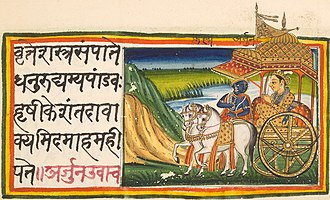
The Bhagavad Gītā
The “Song of the Lord” — Kṛṣṇa’s teaching to the despairing warrior Arjuna on the battlefield of Kurukṣetra, on duty, action without attachment, knowledge and devotion.