Philosophy
Love of wisdom, in every tongue it has been spoken — the Upanishadic forest sages and the Buddha, Confucius and Laozi, Socrates in the Athenian marketplace, the scholars of Baghdad and Paris, and the moderns who argued with all of them. Enter a tradition, or look through a lens.
The two realms are one library — every page links across. Cross to literature →
Traditions
14 roomsIndian Philosophy
Three thousand years of inquiry into the Self, reality and liberation — from the Vedic hymns and the forest dialogues of the Upanishads to the six classical darśanas, the Gītā, and the great Vedāntic debates.

Bhakti — The Poets of Devotion
The saints who sang God in the people’s languages — the Tamil Āḻvārs and Nāyaṉārs, Basava, Jñāneśvar and Tukārām, Kabīr, Mīrā, Sūr and Tulsī, Nānak, Caitanya — a devotional revolution open to every caste, and to women.
Buddhist Philosophy
From the Buddha’s Four Noble Truths and no-self to Nāgārjuna’s emptiness and the mind-only idealists — the tradition that argued for 2,500 years that there is no permanent self, and that suffering can end.


Jain Philosophy
The ancient tradition of the Jinas — the “conquerors” — teaching radical non-violence, the many-sidedness of truth, and the liberation of the soul from karmic matter.
Chinese Philosophy
The Way, humaneness, harmony and change — Confucius and Laozi, Zhuangzi’s butterfly, the Hundred Schools of the Warring States, and the Neo-Confucian synthesis that shaped East Asia for a thousand years.


Ancient Greek & Roman Philosophy
From Thales’ water to Marcus Aurelius’ Meditations — the thousand years in which the West learned to argue about being, knowledge, the good life and the cosmos.


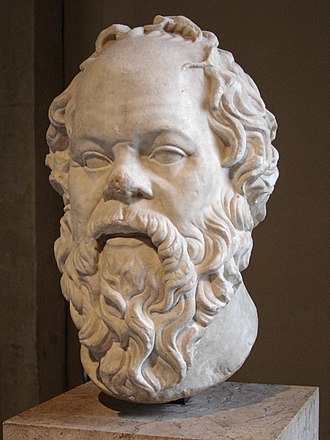


Islamic Philosophy
The philosophers of Baghdad, Bukhara, Córdoba and Isfahan who preserved, transformed and passed on Greek thought — and argued fiercely about reason, revelation, causation and the soul.


Medieval Christian & Jewish Philosophy
A thousand years of faith seeking understanding — from Augustine and Boethius to Anselm, Aquinas, Maimonides, Scotus and Ockham.


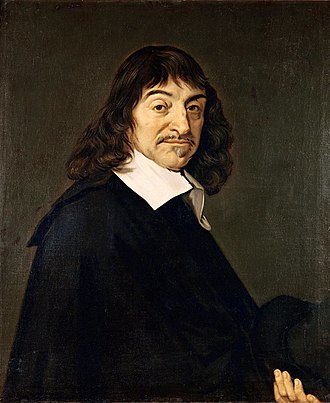
Renaissance & Early Modern Philosophy
From Machiavelli and Montaigne to Descartes, Spinoza, Leibniz, Locke and Hume — the centuries when philosophy turned from authority to the individual mind and the new science.


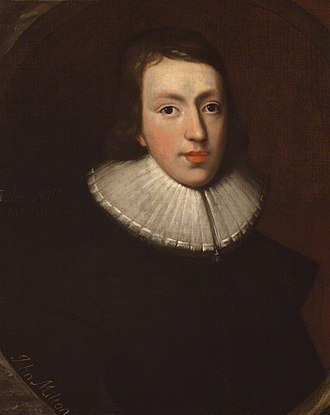


The Enlightenment
The eighteenth-century campaign for reason, toleration, science and liberty — Voltaire and Rousseau, Hume and Smith, Kant’s “dare to know” — and its critics.


German Philosophy
The extraordinary century and a half from Kant’s Critiques through Hegel’s Spirit, Schopenhauer’s Will and Nietzsche’s hammer, to Husserl’s phenomenology and Heidegger’s question of Being.

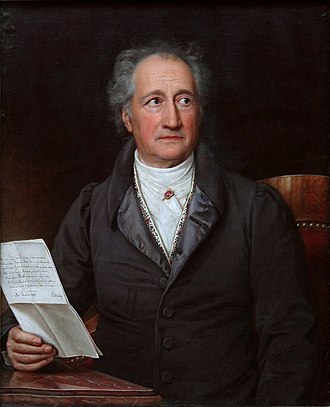


Existentialism & Phenomenology
The philosophy of the existing individual — freedom, anxiety, the absurd, authenticity — from Kierkegaard and Dostoevsky through Nietzsche and Heidegger to Sartre, Beauvoir and Camus.

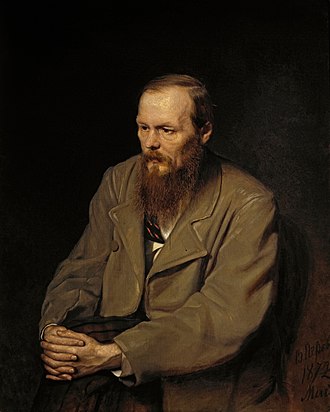


Russian Thought
Nihilists and believers, radicals and mystics — the nineteenth-century Russian debate about God, reason, the people and revolution, conducted as much in novels as in treatises.


Analytic Philosophy
The twentieth-century tradition of logic, language and clarity — Frege, Russell, Wittgenstein, the Vienna Circle, Quine, and their heirs in Anglo-American philosophy.
